Shopping
Decorative arts
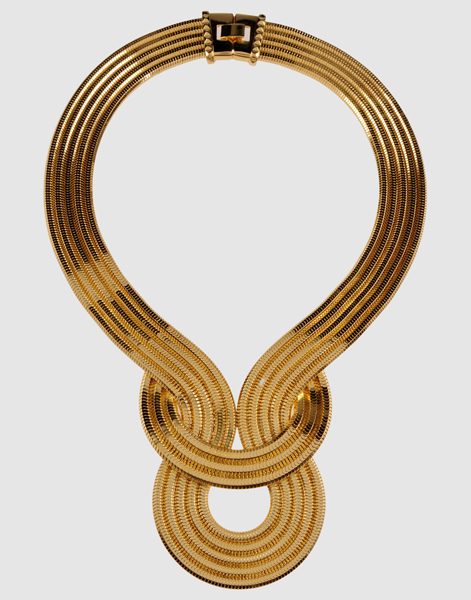
LARA-BOHINC
LARA-BOHINC
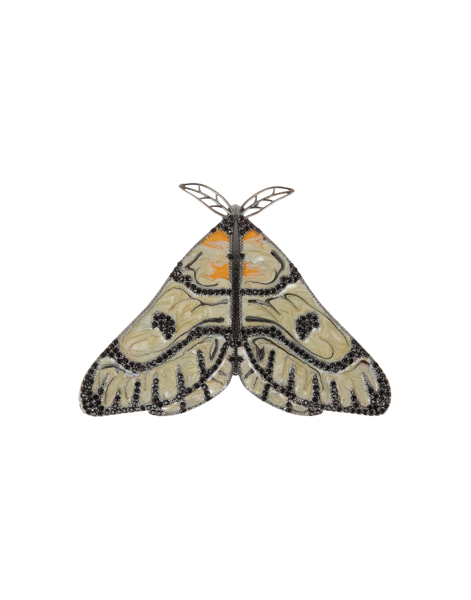
VALENTINO-GARAVANI
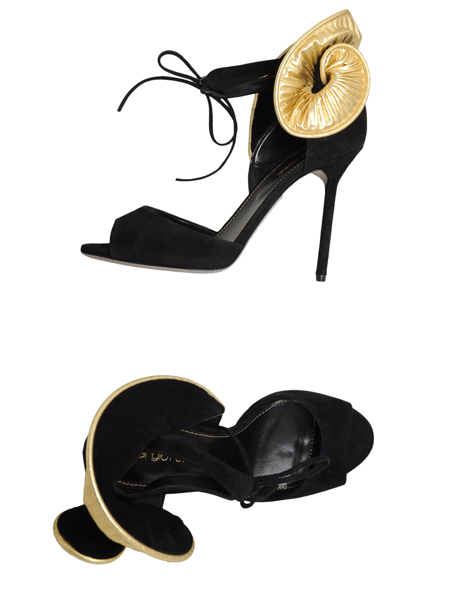
SERGIO-ROSSI
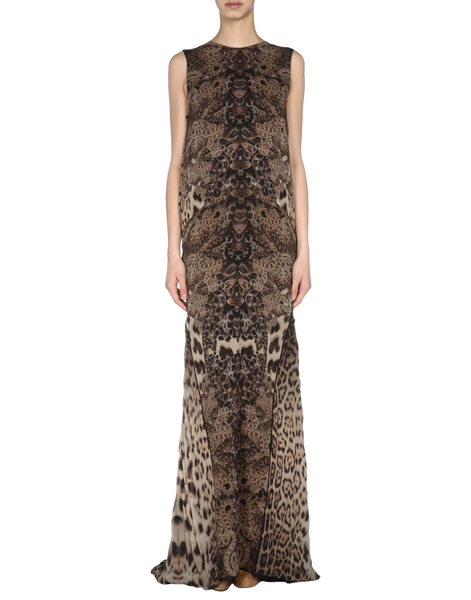
ROBERTO-CAVALLI
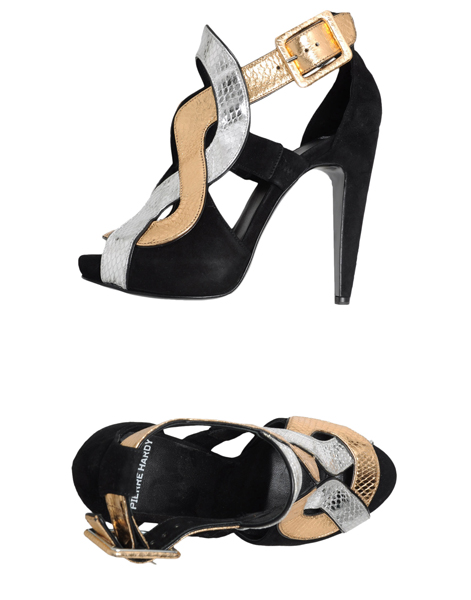
PIERRE-HARDY
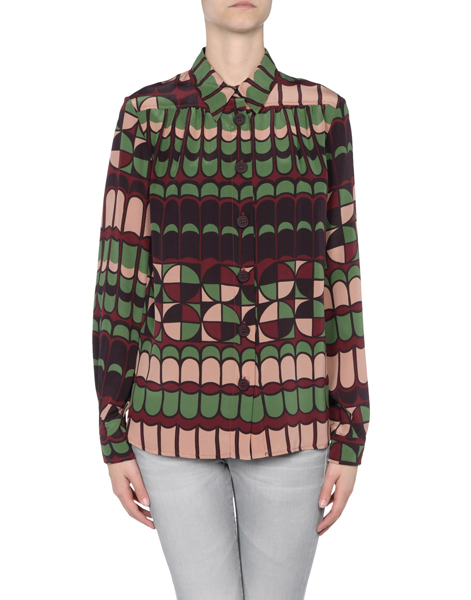
M-MISSONI
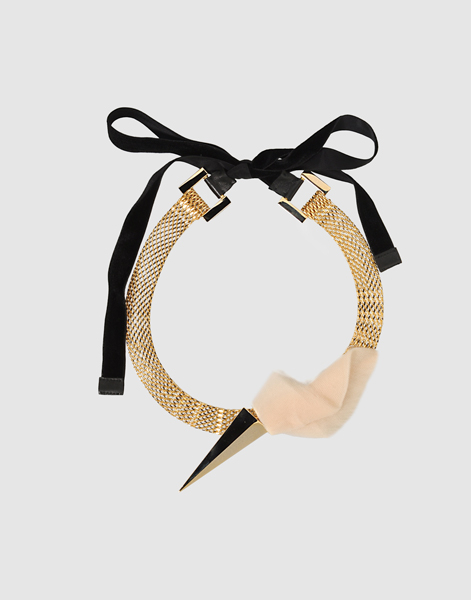
MARYAM-KEYHANI
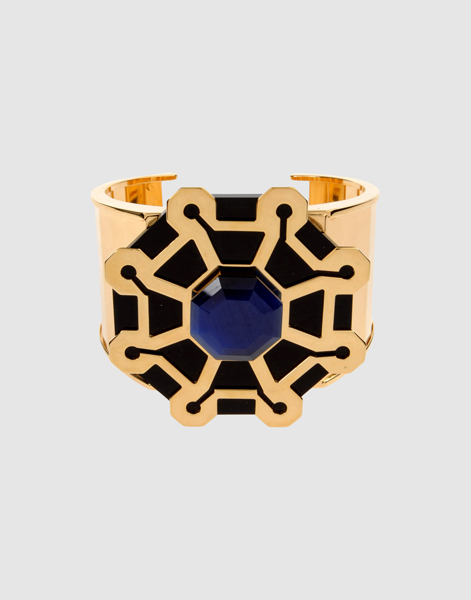
LEDA-OTTO
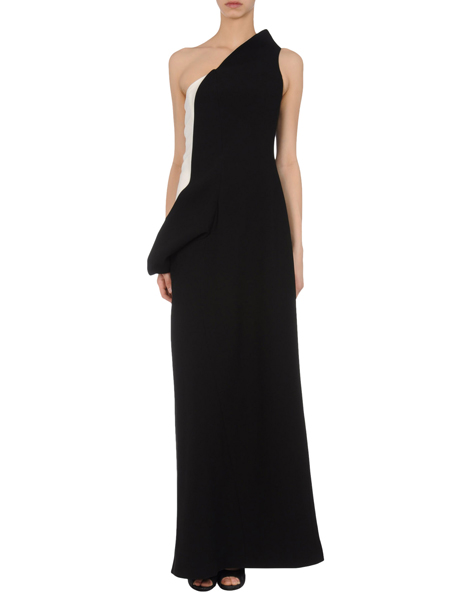
JIL-SANDER
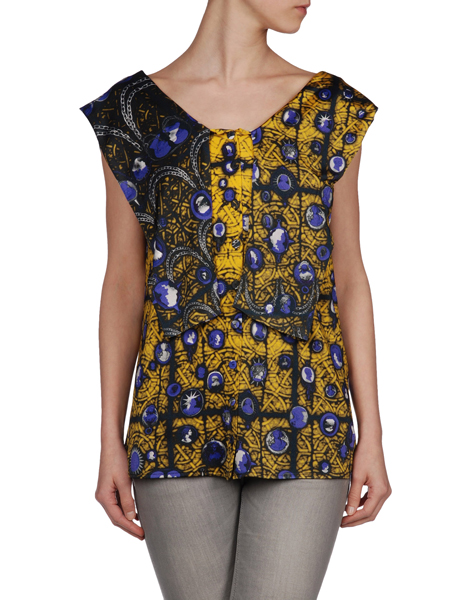
JEAN-PAUL-GAULTIER-FEMME

ETRO
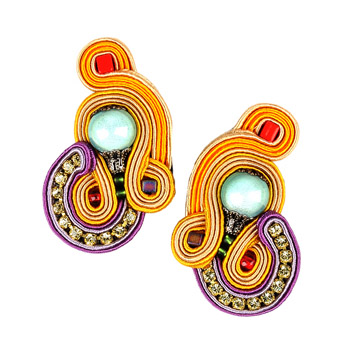
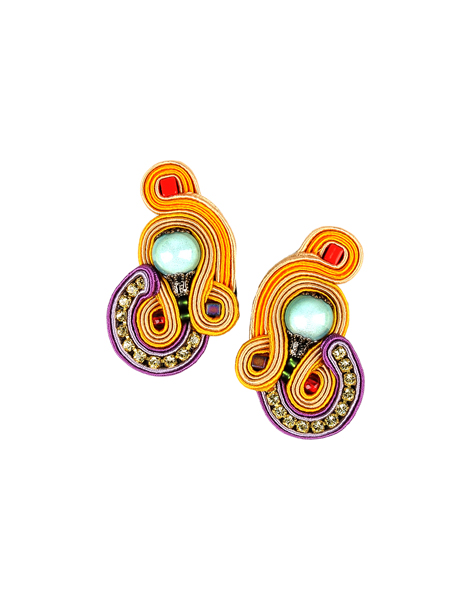
DORI-CSENGERI
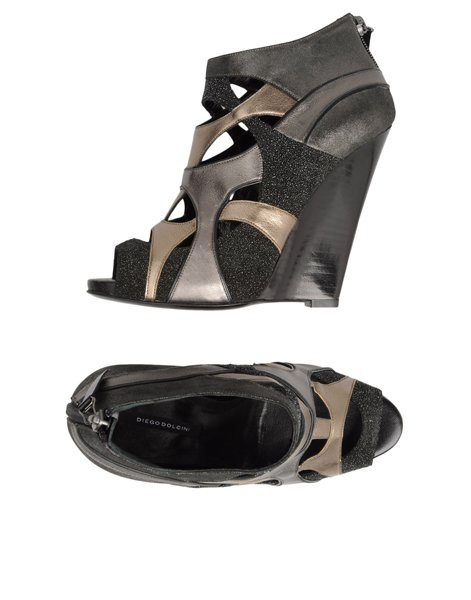
DIEGO-DOLCINI
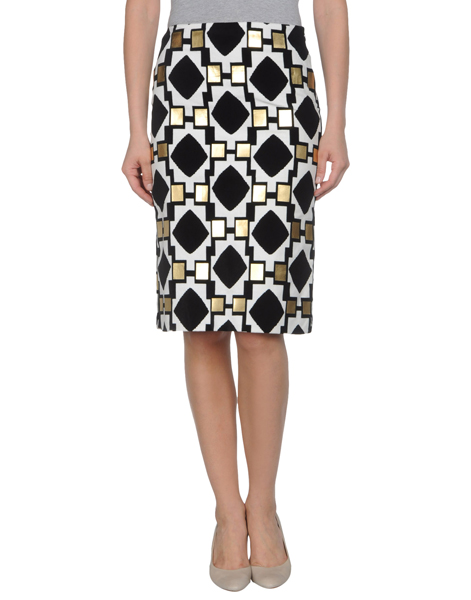
DIANE-VON-FURSTENBERG
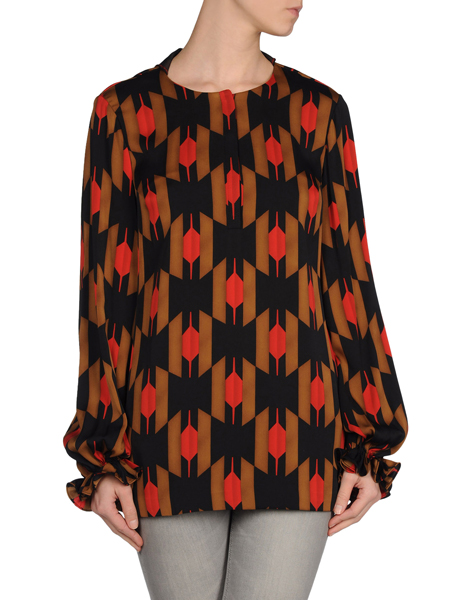
DIANE-VON-FURSTENBERG
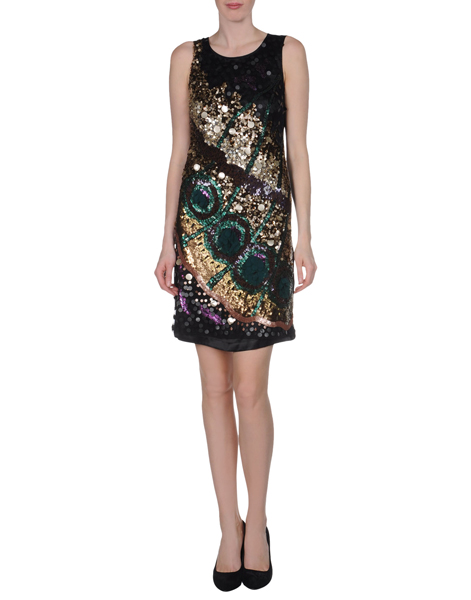
BLUGIRL-BLUMARINE

VIONNET

CASADEI
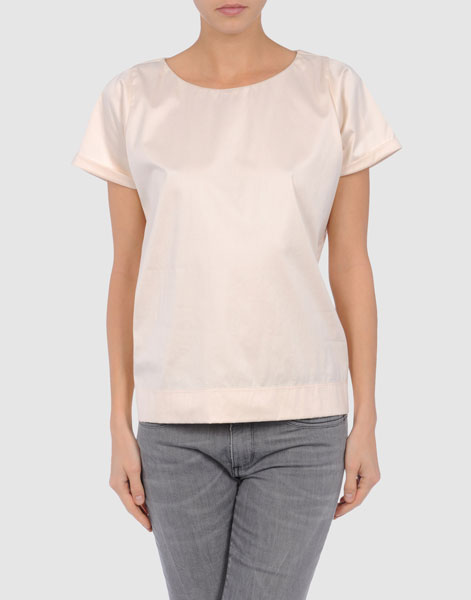
CELINE
Art Deco – one of the strongest trends of the season, in fact , has never gone out of fashion. This summer, when the runway, like an amazing time machine, throws us one-by-one to all the decades of the twentieth century, this fact can be seen particularly clearly. Art Deco, its cousins Constructivism and Bauhaus, and afterwards their lineal heirs: pop art and futurism of the 60s and the protests 80s seem to be connected by a single thin Alhambra chain, launched by Van Cleef & Arpels in 1968.
Alhambra quatrefoils were an orientalism popular during the Art Deco period, which petals of the excessiveness were picked off by the epoch that simplified the luxury to a scheme; the scheme made of precious materials, though.
The term “Art Deco” was born in 1925 in Paris, simultaneously with the exhibition «Exposition Internationale des Arts Décoratifs et Industriels Modernes». However, the Art Deco style had been crystallized much earlier, after the First World War: small female heads with compact geometric short hairstyles, pale faces, smoky eyes, the absence of chest and waist, opening ankles length, dance-like shoes, fringe, beadwork, sequins and pearls, contrasting geometric and animal prints, colors of gemstones, exotic leathers …
The new speed of the new century was not allowing anymore to look over intricate Art Nouveau vignettes, so they were simplified to the geometry. Unnecessary parts were simply reduced – just like formerly reigning dynasties, which had given way to new types of governments. However, the fashion could not refuse luxurious colors and ornaments. There remained a full century before minimalism, but fashionistas were sure they had reached the required minimum during the period between World War I and World War II. To cut their hair, to be thin, mysterious and controversial, for example, narrow-hipped fragile girl with the dark experiences of an adult woman in the dilated pupils, to have a past medical history…
The new war put an end to this decadence, the epoch of jazz gave way to the epoch of marches, and yet Art Deco became the most obvious and the most cited style of the XX century. This season, for these citations are responsible Frida Giannini for Gucci, Veronica Etro for Etro and Consuelo Castiglioni for Marni.
Art Deco – one of the strongest trends of the season, in fact , has never gone out of fashion. This summer, when the runway, like an amazing time machine, throws us one-by-one to all the decades of the twentieth century, this fact can be seen particularly clearly. Art Deco, its cousins Constructivism and Bauhaus, and afterwards their lineal heirs: pop art and futurism of the 60s and the protests 80s seem to be connected by a single thin Alhambra chain, launched by Van Cleef & Arpels in 1968.
Alhambra quatrefoils were an orientalism popular during the Art Deco period, which petals of the excessiveness were picked off by the epoch that simplified the luxury to a scheme; the scheme made of precious materials, though.
The term “Art Deco” was born in 1925 in Paris, simultaneously with the exhibition «Exposition Internationale des Arts Décoratifs et Industriels Modernes». However, the Art Deco style had been crystallized much earlier, after the First World War: small female heads with compact geometric short hairstyles, pale faces, smoky eyes, the absence of chest and waist, opening ankles length, dance-like shoes, fringe, beadwork, sequins and pearls, contrasting geometric and animal prints, colors of gemstones, exotic leathers …
The new speed of the new century was not allowing anymore to look over intricate Art Nouveau vignettes, so they were simplified to the geometry. Unnecessary parts were simply reduced – just like formerly reigning dynasties, which had given way to new types of governments. However, the fashion could not refuse luxurious colors and ornaments. There remained a full century before minimalism, but fashionistas were sure they had reached the required minimum during the period between World War I and World War II. To cut their hair, to be thin, mysterious and controversial, for example, narrow-hipped fragile girl with the dark experiences of an adult woman in the dilated pupils, to have a past medical history…
The new war put an end to this decadence, the epoch of jazz gave way to the epoch of marches, and yet Art Deco became the most obvious and the most cited style of the XX century. This season, for these citations are responsible Frida Giannini for Gucci, Veronica Etro for Etro and Consuelo Castiglioni for Marni.
Art Deco – one of the strongest trends of the season, in fact , has never gone out of fashion. This summer, when the runway, like an amazing time machine, throws us one-by-one to all the decades of the twentieth century, this fact can be seen particularly clearly. Art Deco, its cousins Constructivism and Bauhaus, and afterwards their lineal heirs: pop art and futurism of the 60s and the protests 80s seem to be connected by a single thin Alhambra chain, launched by Van Cleef & Arpels in 1968.
Alhambra quatrefoils were an orientalism popular during the Art Deco period, which petals of the excessiveness were picked off by the epoch that simplified the luxury to a scheme; the scheme made of precious materials, though.
The term “Art Deco” was born in 1925 in Paris, simultaneously with the exhibition «Exposition Internationale des Arts Décoratifs et Industriels Modernes». However, the Art Deco style had been crystallized much earlier, after the First World War: small female heads with compact geometric short hairstyles, pale faces, smoky eyes, the absence of chest and waist, opening ankles length, dance-like shoes, fringe, beadwork, sequins and pearls, contrasting geometric and animal prints, colors of gemstones, exotic leathers …
The new speed of the new century was not allowing anymore to look over intricate Art Nouveau vignettes, so they were simplified to the geometry. Unnecessary parts were simply reduced – just like formerly reigning dynasties, which had given way to new types of governments. However, the fashion could not refuse luxurious colors and ornaments. There remained a full century before minimalism, but fashionistas were sure they had reached the required minimum during the period between World War I and World War II. To cut their hair, to be thin, mysterious and controversial, for example, narrow-hipped fragile girl with the dark experiences of an adult woman in the dilated pupils, to have a past medical history…
The new war put an end to this decadence, the epoch of jazz gave way to the epoch of marches, and yet Art Deco became the most obvious and the most cited style of the XX century. This season, for these citations are responsible Frida Giannini for Gucci, Veronica Etro for Etro and Consuelo Castiglioni for Marni.
Art Deco – one of the strongest trends of the season, in fact , has never gone out of fashion. This summer, when the runway, like an amazing time machine, throws us one-by-one to all the decades of the twentieth century, this fact can be seen particularly clearly. Art Deco, its cousins Constructivism and Bauhaus, and afterwards their lineal heirs: pop art and futurism of the 60s and the protests 80s seem to be connected by a single thin Alhambra chain, launched by Van Cleef & Arpels in 1968.
Alhambra quatrefoils were an orientalism popular during the Art Deco period, which petals of the excessiveness were picked off by the epoch that simplified the luxury to a scheme; the scheme made of precious materials, though.
The term “Art Deco” was born in 1925 in Paris, simultaneously with the exhibition «Exposition Internationale des Arts Décoratifs et Industriels Modernes». However, the Art Deco style had been crystallized much earlier, after the First World War: small female heads with compact geometric short hairstyles, pale faces, smoky eyes, the absence of chest and waist, opening ankles length, dance-like shoes, fringe, beadwork, sequins and pearls, contrasting geometric and animal prints, colors of gemstones, exotic leathers …
The new speed of the new century was not allowing anymore to look over intricate Art Nouveau vignettes, so they were simplified to the geometry. Unnecessary parts were simply reduced – just like formerly reigning dynasties, which had given way to new types of governments. However, the fashion could not refuse luxurious colors and ornaments. There remained a full century before minimalism, but fashionistas were sure they had reached the required minimum during the period between World War I and World War II. To cut their hair, to be thin, mysterious and controversial, for example, narrow-hipped fragile girl with the dark experiences of an adult woman in the dilated pupils, to have a past medical history…
The new war put an end to this decadence, the epoch of jazz gave way to the epoch of marches, and yet Art Deco became the most obvious and the most cited style of the XX century. This season, for these citations are responsible Frida Giannini for Gucci, Veronica Etro for Etro and Consuelo Castiglioni for Marni.